ABOUT
HISTORICALLY INFORMED PERFORMANCE (HIP) IN BOSTON
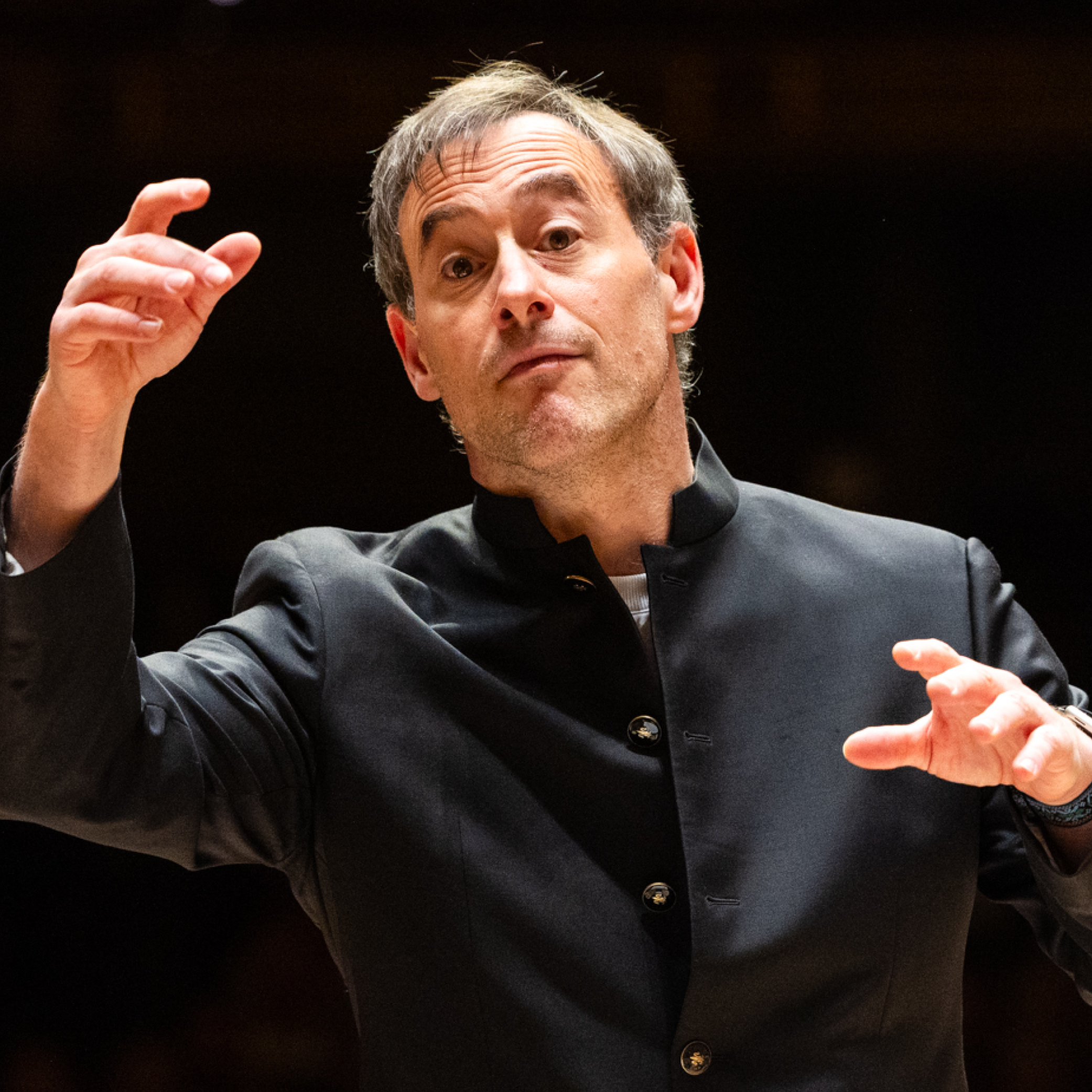
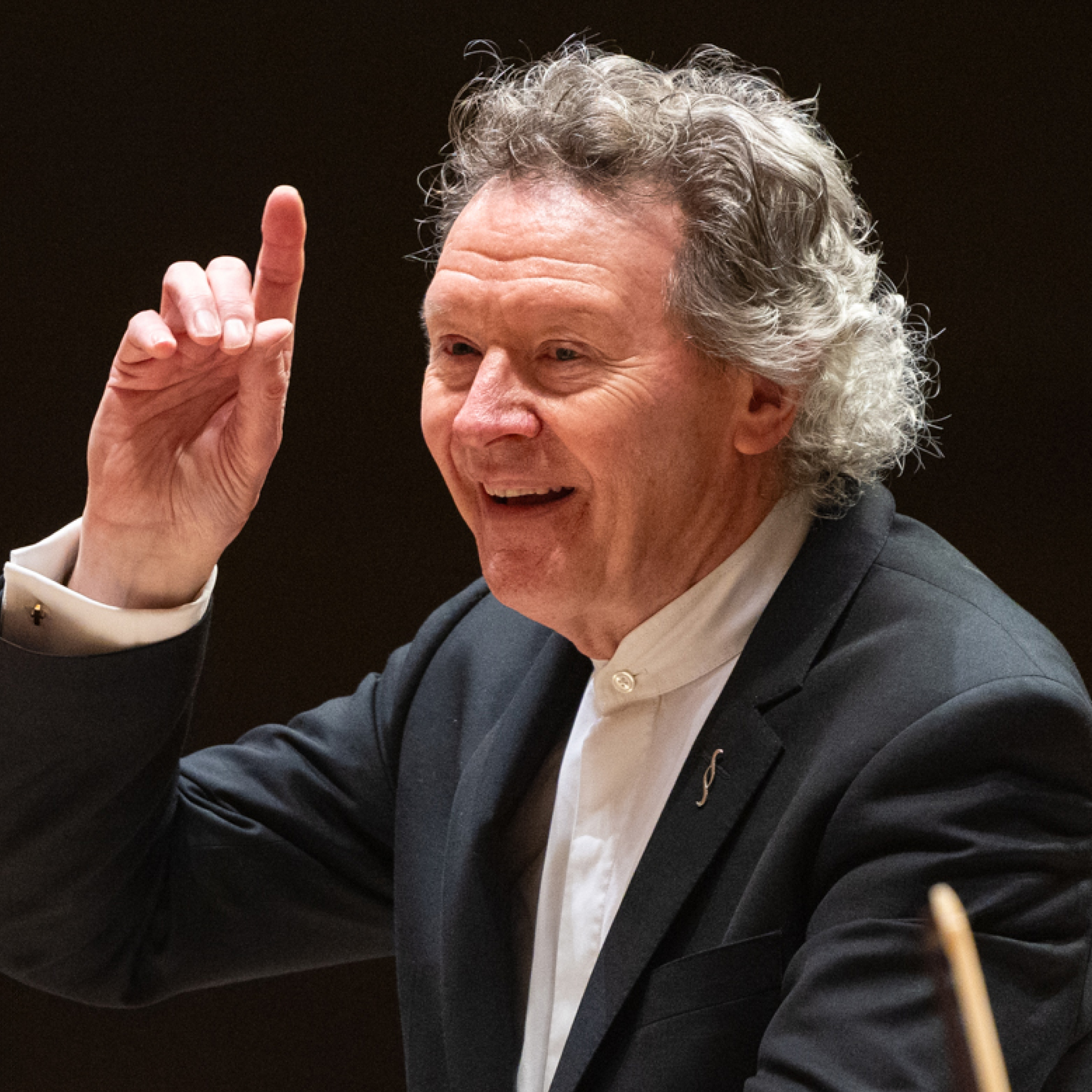
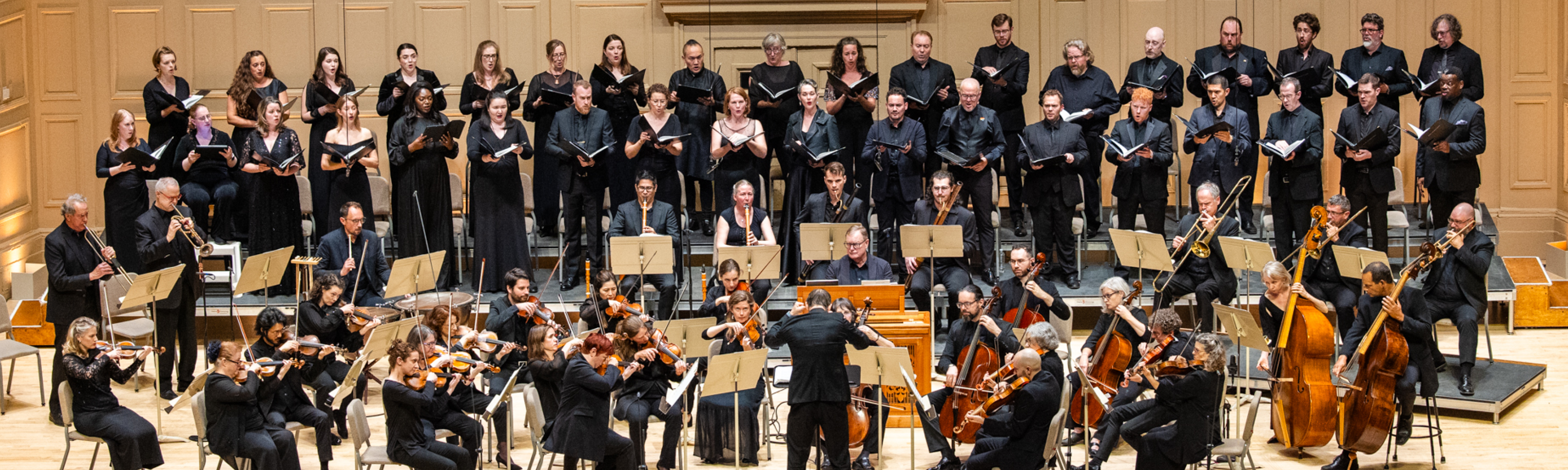
When you hear H+H perform Baroque and Classical music, you’ll experience the same joy, exhilaration, and awe that its first audiences felt hundreds of years ago—joining a musical and emotional tradition that unites us all. That’s because H+H is a leader in the Historically Informed Performance (HIP) movement, striving to fulfill the vision of history’s great composers with the same dedication, freshness, and energy that they felt when composing their music.
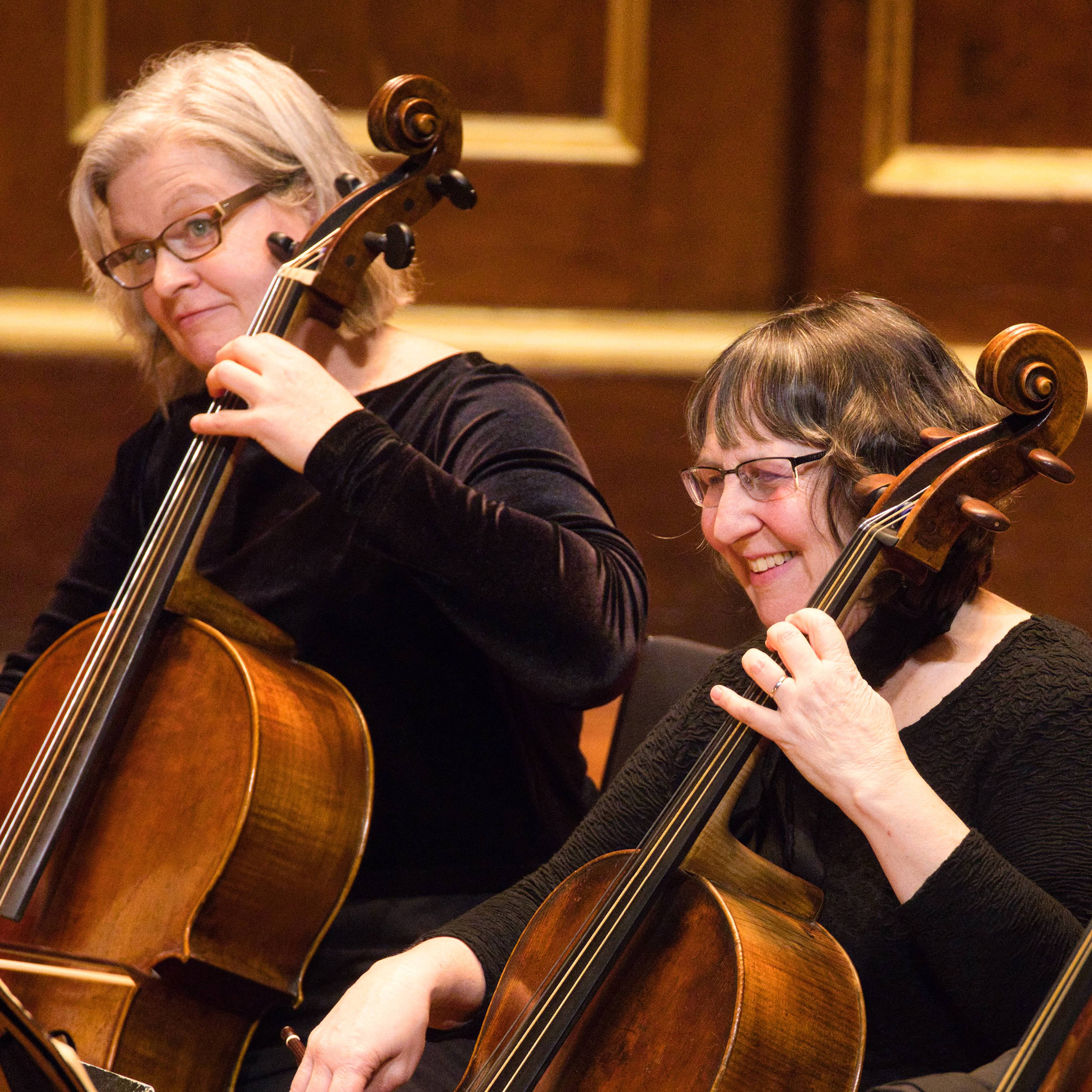
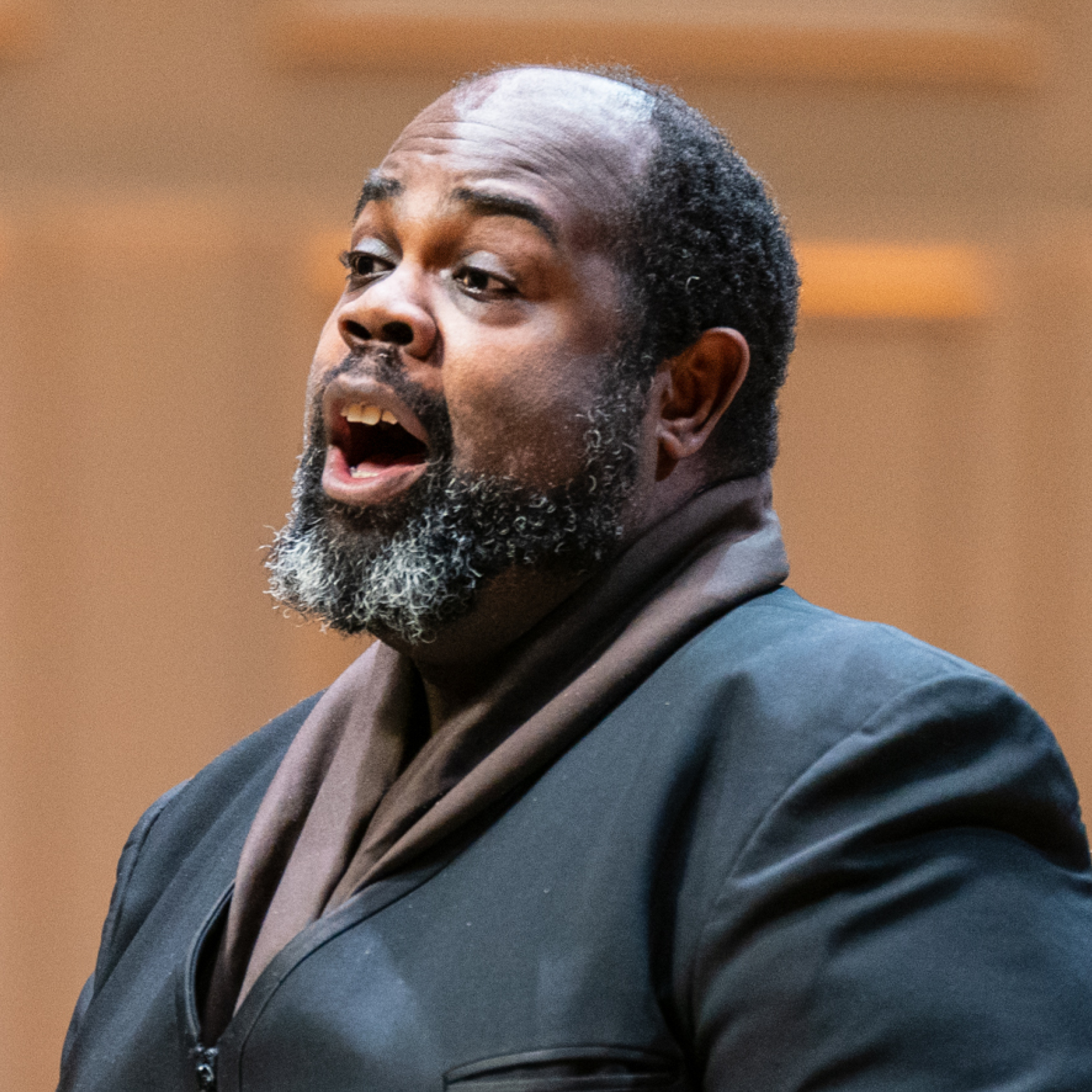
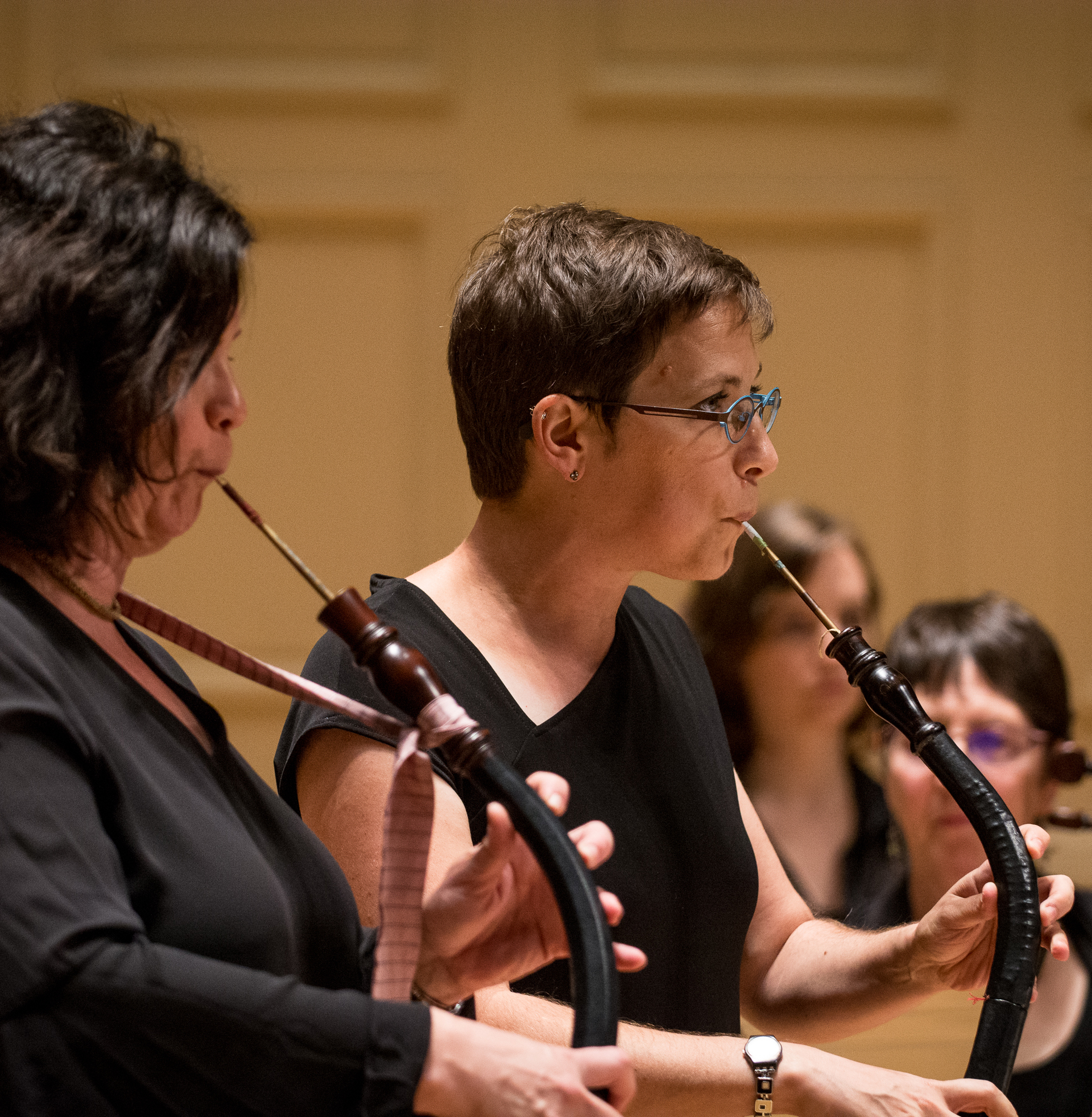
Our orchestra plays on the period instruments these composers wrote for—winds made from wood, gut strings instead of steel, brass without valves, and more. After perfecting the historical techniques used to play them, these brilliant musicians know their instruments like old friends, creating nuanced sounds sure to draw you in closer. Our ensembles have just 25 to 50 members, bringing a rare sense of intimacy to each concert, even in magnificent Symphony Hall. Whether we’re singing a medieval chant or playing a 19th-century concerto, our musicians—among the global leaders in HIP—dust off the cobwebs. Even a beloved piece you’ve heard a hundred times can feel like a brand-new discovery.
Join us on an ever-surprising journey to a soundworld you never expected—all while connecting more closely to your community in the here and now.