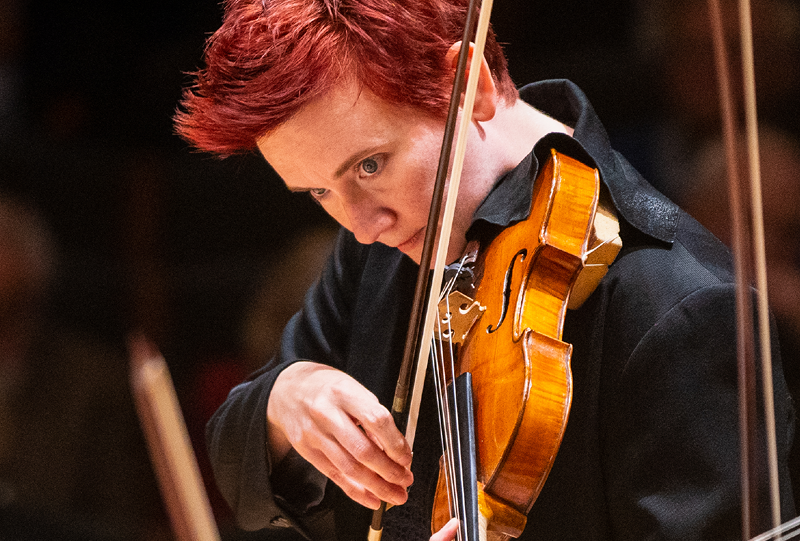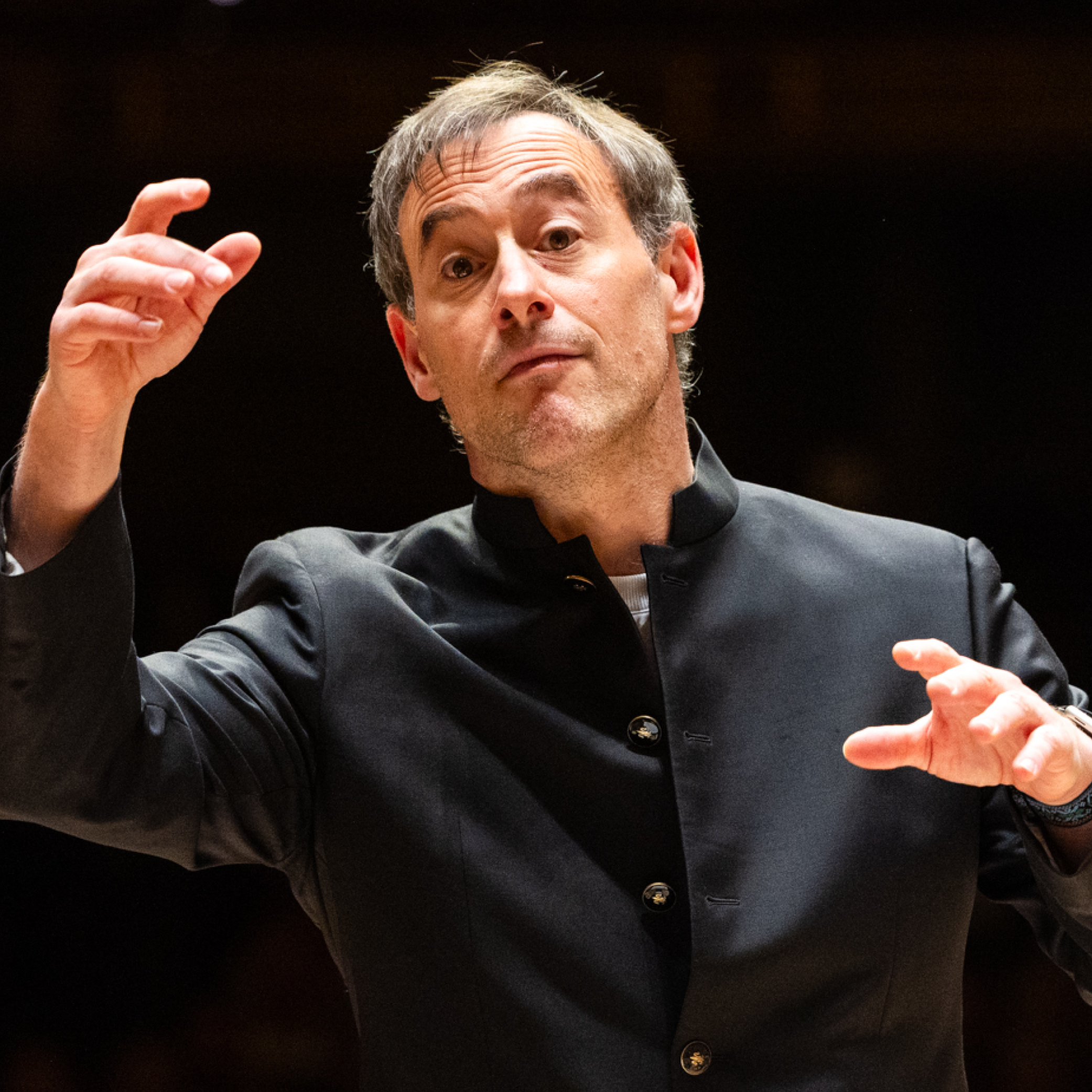
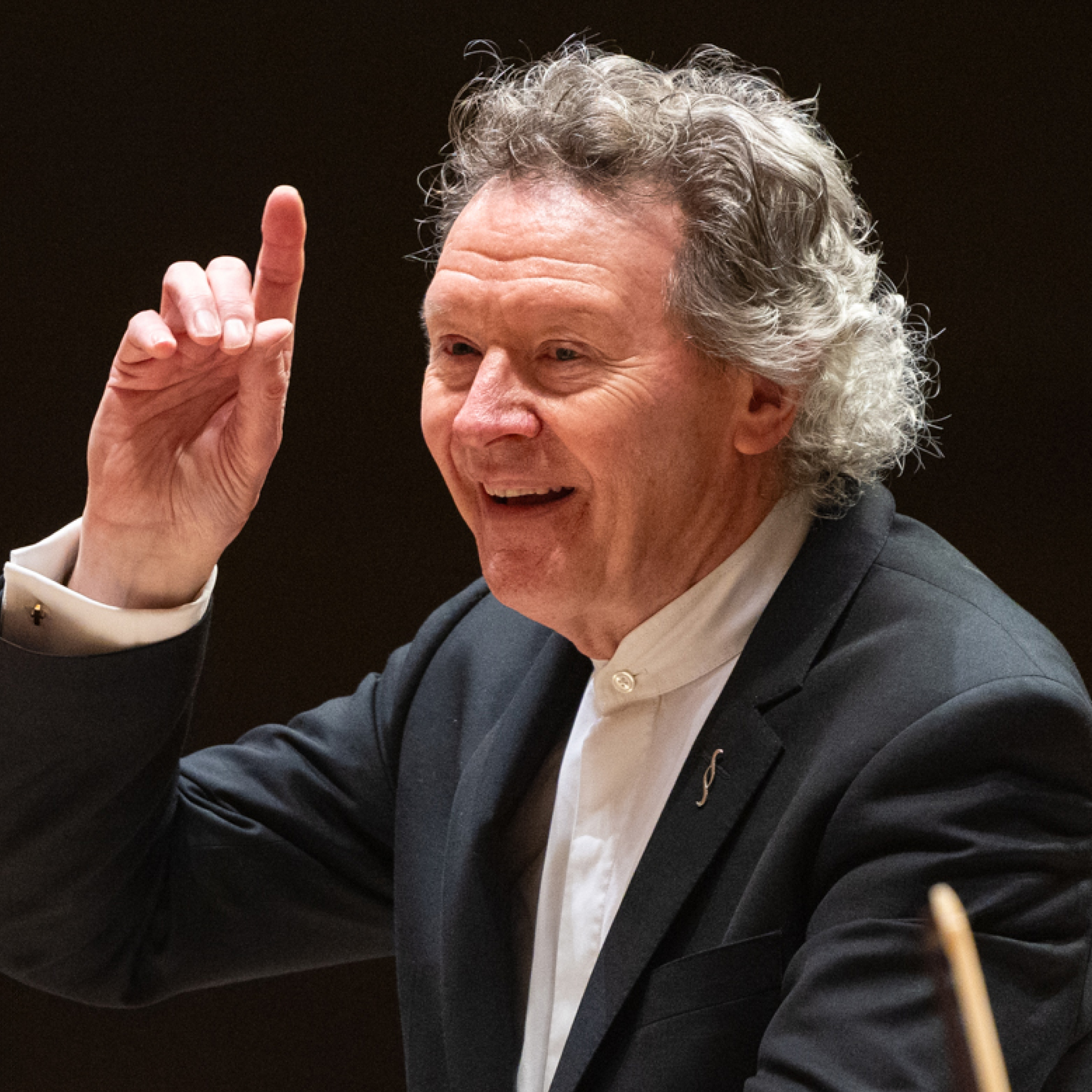
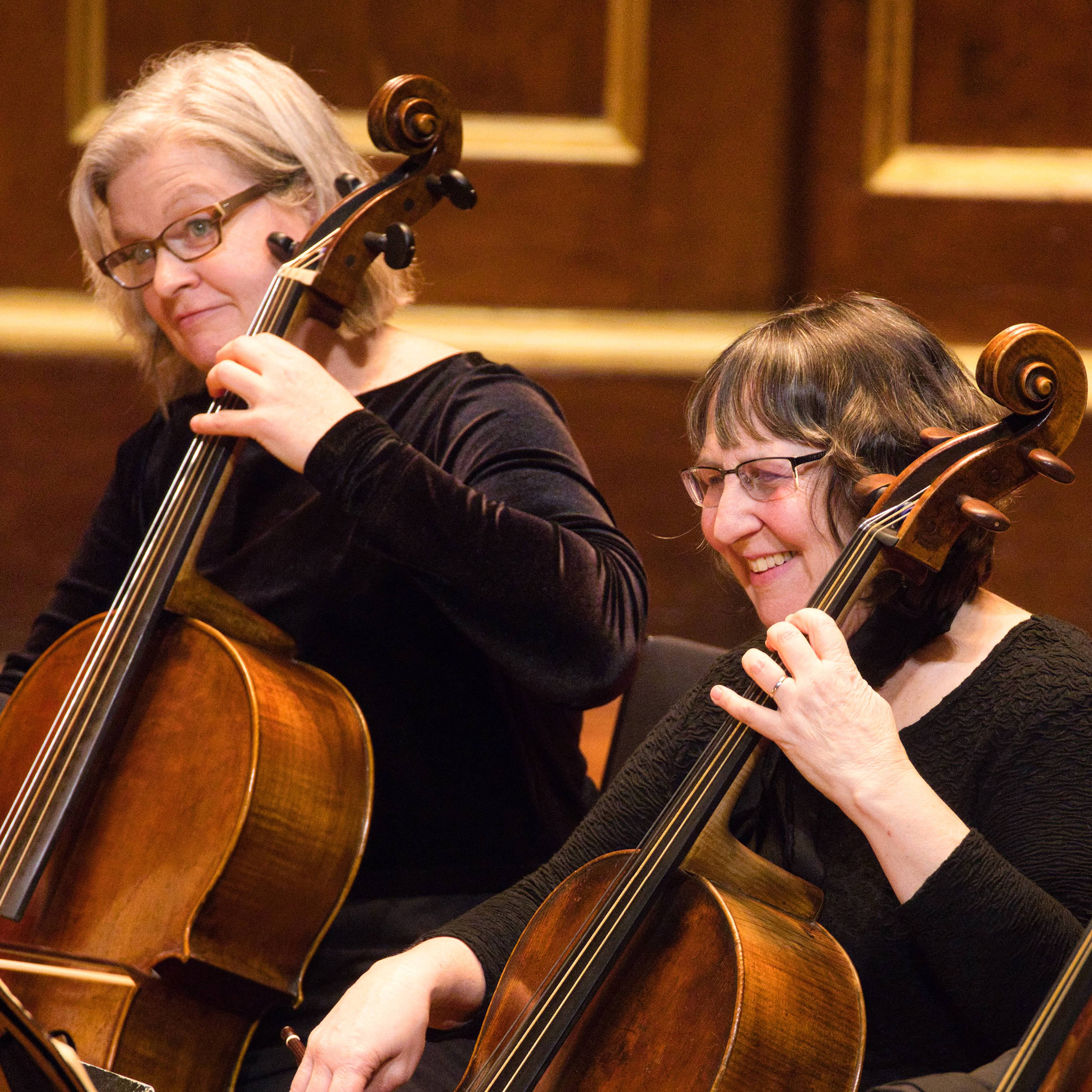
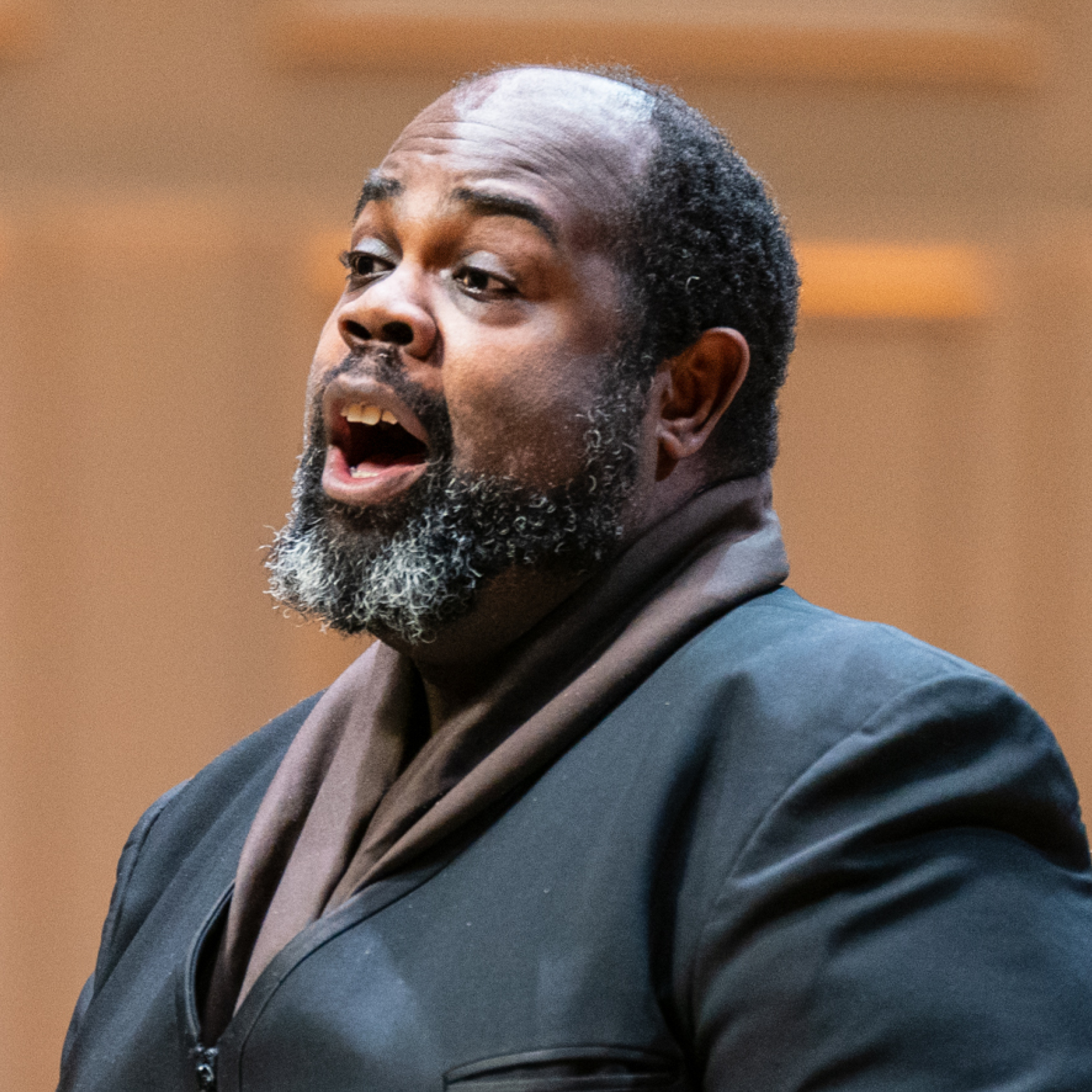
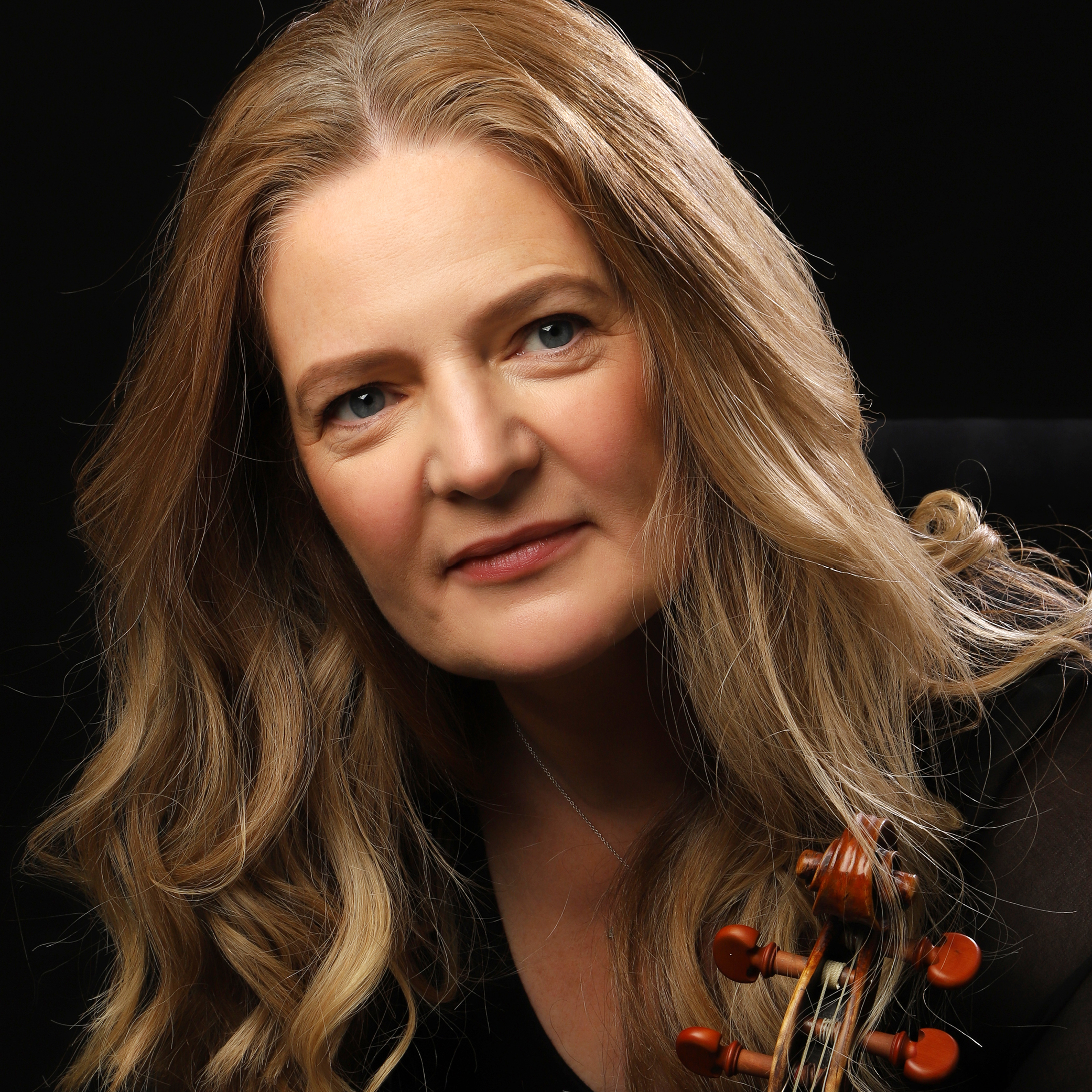
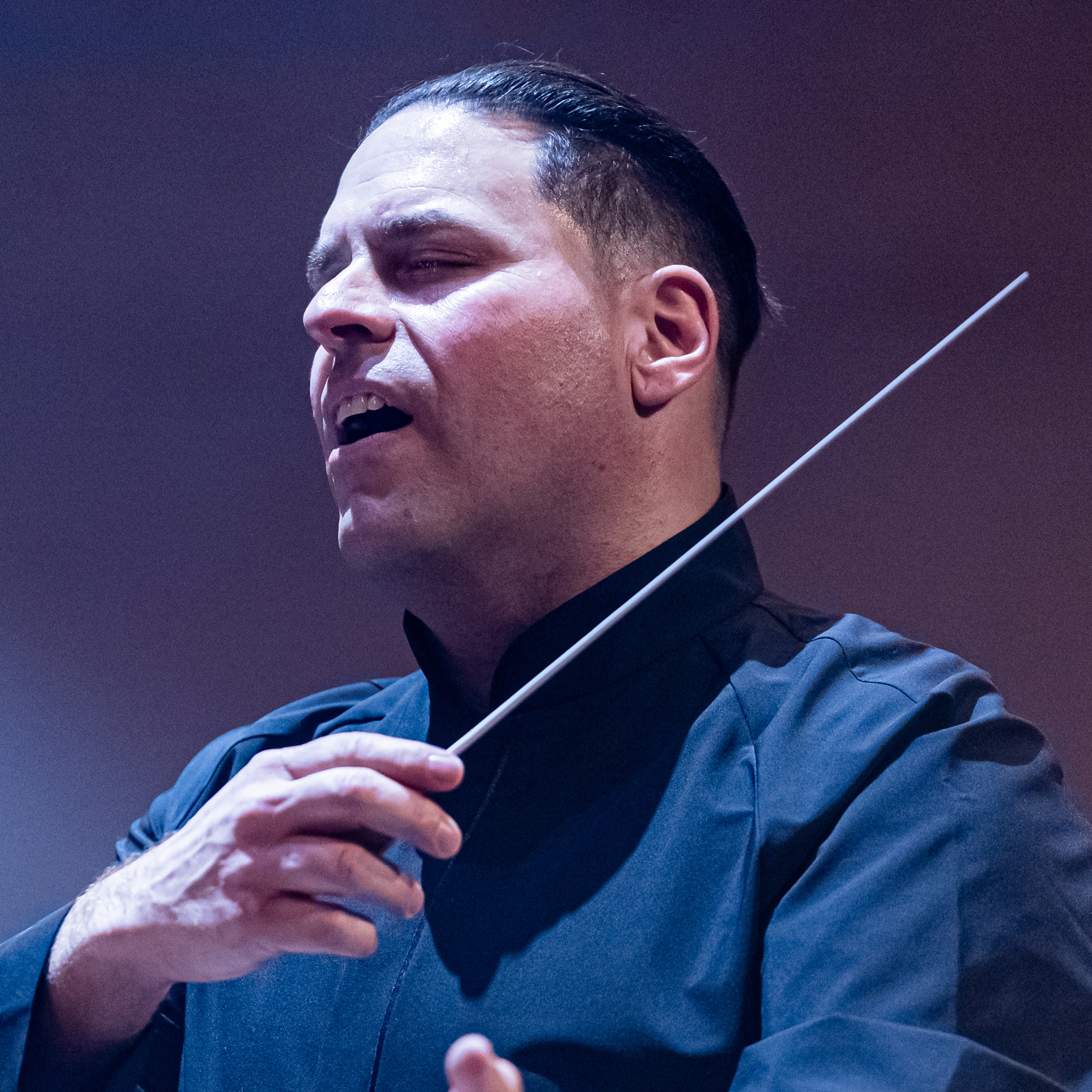
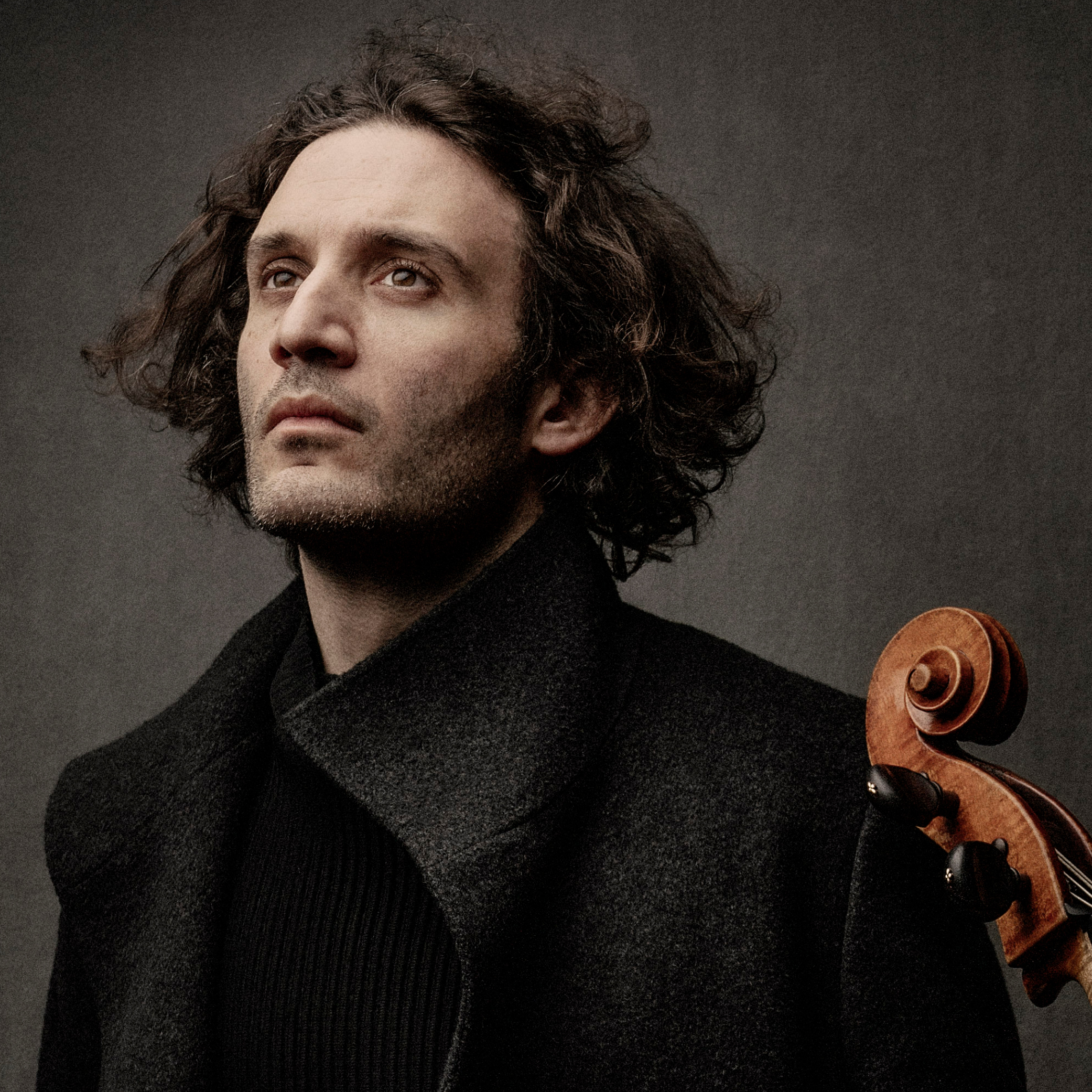
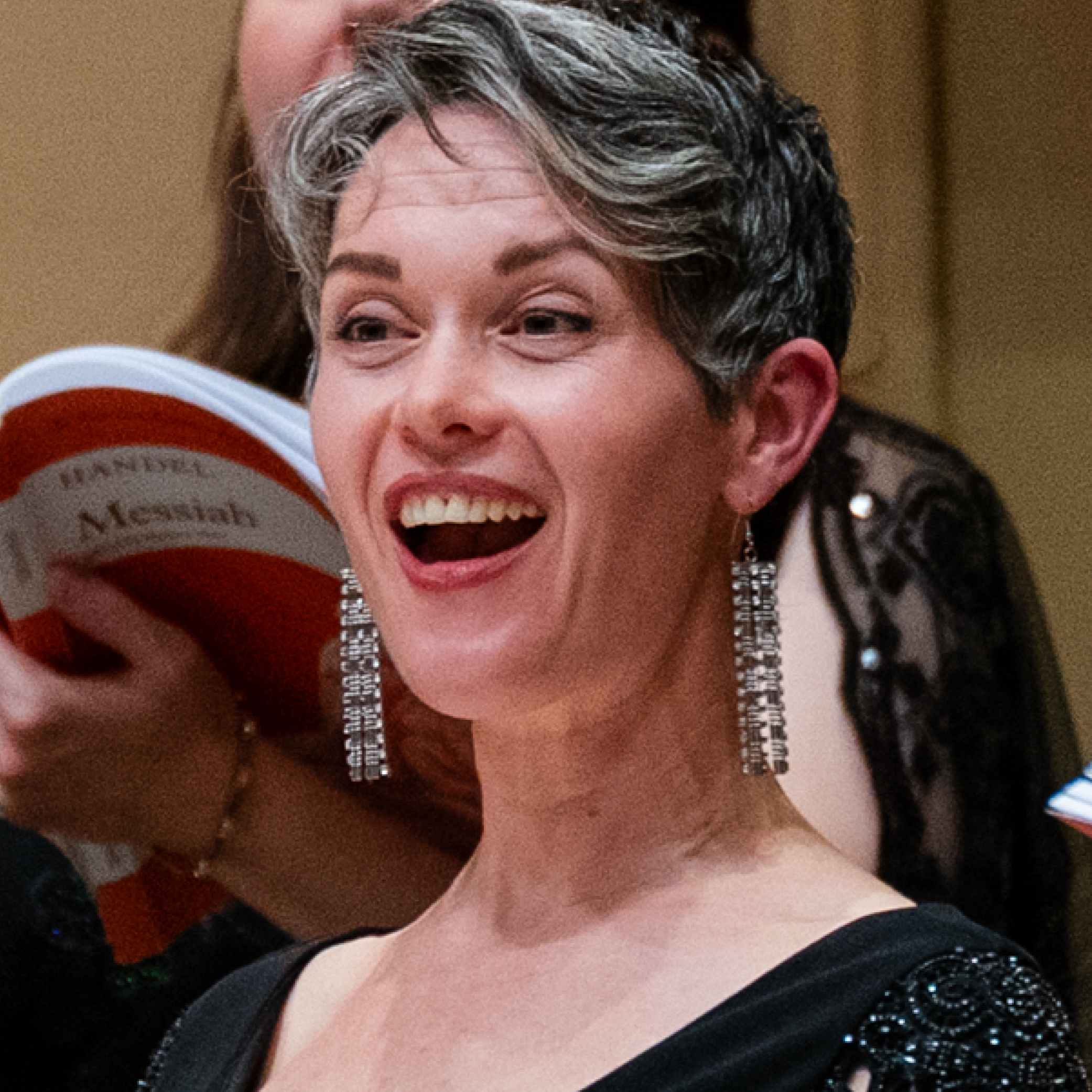
Celebrate this masterpiece that evokes Handel’s eternal love of opera with the return of compelling alto and seasoned Handelian Catherine Wyn-Rogers, and the debuts of young stars soprano Sophie Bevan, tenor Allan Clayton, and bass Sumner Thompson. The Wall Street Journal described Artistic Director Harry Christophers’ interpretation of Messiah as “beautifully balanced...its sound rich and full-bodied.”
Program
Harry Christophers, conductor
Sophie Bevan, soprano
Catherine Wyn-Rogers, alto
Allan Clayton, tenor
Sumner Thompson, bass
Handel and Haydn Society Chorus
- Handel: Messiah
Orchestra & Chorus
Violin I
Christina Day Martinson
Lena Wong
Guiomar Turgeon
Danielle Maddon
Julia McKenzie
Katherine Winterstein
Violin II
Krista Buckland Reisner
Fiona Hughes
Susanna Ogata
Emily Dahl
Jane Starkman
Mina Lavcheva
Viola
David Miller
Laura Jeppesen
Susan Seeber
Scott Woolweaver
Cello
Sarah Freiberg
Guy Fishman
Colleen McGary-Smith
Bass
Anne Trout
Oboe
Stephen Hammer
Debra Nagy
Bassoon
Andrew Schwartz
Trumpet
Jesse Levine
Paul Perfetti
Timpani
John Grimes
Barbara Lee Chair
Harpsichord/Organ
Ian Watson
Organ
Michael Beattie
Soprano
Elissa Alvarez
Kristin A. Brown
Jessica Cooper
Janice Giampa
Monica Hatch
Shannon Larkin
Jill Malin
Margot Rood
Erika Vogel
Brenna Wells
Alto
Mary Gerbi
Catherine Hedberg
Margaret E. Lias
Thea Lobo
Miranda Loud
Emily Marvosh
Martin Near
Susan Trout
Tenor
Thomas Gregg
Randy McGee
David McSweeney
Stefan Reed
Mark Sprinkle
Bass
Thomas Dawkins
Bradford Gleim
Paul Guttry
Herman Hildebrand
Brett Johnson
Donald Wilkinson
Program Notes
In London in the 1740s, Handel’s popularity as an opera composer was waning. It was during this time that two fortuitous events occurred: Charles Jennens, who had supplied Handel with the texts for other oratorios, sent Handel the word book for Messiah and William Cavendish, the Duke of Devonshire and Lord Lieutenant of Ireland, invited Handel to Dublin to participate in a season of oratorio concerts to benefit local charities. Handel seized the opportunity to present his works and set Jennens’ text in just 24 days. Dublin was a major cultural center at this time and received Handel with open arms. Anticipation for Handel’s new oratorio ran so high that an announcement in the Dublin Journal requested that ladies “would be pleased to come without hoops [in their skirts] … making room for more company.”
There were obstacles to the first performance. In January 1742, the deans of St. Patrick’s Church and Christ Church, Dublin, were asked to allow their choir members to participate in what would be the premiere of Messiah. Christ Church agreed and at first it seemed that St. Patrick’s Church concurred. However, the dean of St. Patrick’s Church, Jonathan Swift, then revoked permission, claiming never to have granted it in the first place. This turn of events was potentially disastrous because both churches had to agree in order for the performance to proceed. Eventually, Swift did agree and the
work was premiered in Dublin at the Great Music Hall on Fishamble Street
on April 13, 1742.
It is estimated that Handel had a combined ensemble of approximately 50 performers, with almost the same number of vocalists as instrumentalists. Experienced singers made up the chorus and two different soloists shared the roles for each solo part. While the chorus had no female singers, the soprano and alto solo parts were sung by women. For this performance, Handel rewrote three soprano arias for alto solo. Handel may have reworked the solo numbers for Mrs. Susanna Cibber, a well-known actress and alto. One story relates that Mrs. Cibber’s performance of “He was despised” was so moving that one person in the audience shouted, “For this thy sins be forgiven!”
Handel returned to London and announced the first London performance of the work; however, objections to the oratorio were raised before the music was ever heard. Because of this, Handel refrained from using the title Messiah and called the oratorio A New Sacred Oratorio. On the same day of Handel’s announcement, an anonymous letter to the Universal Spectator raised objections concerning the use of Biblical texts in a theater work as well as the propriety of having theater performers, whose morals were assumed to be questionable, sing sacred texts: “I ask of the Playhouse is a fit Temple to perform it [a sacred oratorio] in, or a Company of Players fit Ministers of God’s Word.” After the first London performance on March 23, 1743, support for Handel and his sacred oratorio appeared in the press as well. This and other early performances were not as successful as those in Ireland; however, beginning with a performance to benefit the Foundling Hospital on May 1, 1750, Messiah became an annual event in London. Objections to Handel’s sacred oratorio had subsided and been replaced with descriptions similar to that written by Miss Catherine Talbot in 1756: “The only public place I have been to this winter was … to hear the Messiah, nor can there be a nobler entertainment.”
For the London performances, Handel had slightly more singers available to him; he continued to divide the solo numbers between two soloists who would have sung the choruses as well. After Handel’s death, Messiah performances generally followed similar performing forces. In 1771, at one of the regular performances to benefit the Foundling Hospital, the professional chorus of 30 was augmented by 26 volunteer singers. This is the first known performance of Messiah with a volunteer chorus and the first time the chorus was significantly larger than the orchestra.
The trend of larger choruses, and eventually a larger orchestra to match it, reached new heights with a Westminster Abbey performance of Messiah in 1784. The organizers of this Handel tribute, a five-day festival, wanted to mount performances “on such a scale of magnificence, as could not be equaled in any part of the world.” They achieved this goal by assembling some 250 singers plus 250 instrumentalists. The accuracy of playing impressed music chronicler Charles Burney who wrote: “When all the wheels of that huge machine, the Orchestra, were in motion, the effect resembled a clock-work in everything, but want of feeling and expression.”
In 1857, the Sacred Harmonic Society of London mounted a festival performance of Messiah, Judas Maccabaeus and Israel in Egypt with 2,000 voices and 500 instrumentalists in the Crystal Palace. Two years later a similar festival was held in the same venue; there were 2,765 singers and 460 instrumentalists. The triennial Handel Festival reached new heights in performing forces in 1883 with 4,000 singers and 500 instrumentals. Compared to these massive numbers, the early 20th century performances of Messiah seem somewhat small. In 1902, Ebenezer Prout conducted his own arrangement of Messiah using an orchestra of 65 and a chorus of 300. Sir Thomas Beecham continued this trend by performing Prout’s edition of the oratorio annually in London and throughout England. These performances, however, are still substantially larger than those conducted by Handel. The growing number of performers, now largely volunteer or amateur, is an indication not only of the appropriation of Messiah as a symbol of English nationalism, but also the oratorio’s wide-spread appeal on multiple levels. Perhaps one of the best examples of this is the popularity of the Messiah “sing-in” begun in the 1960s.
In the 20th century there was a renewed interest in reconstructing performances using Handel’s original performing forces; one example is Christopher Hogwood’s recording of the 1742 edition of the Dublin premiere. Today’s performance reflects the historical awareness of using smaller ensembles and period instruments blended with the devotion and passion that has characterized this oratorio from its inception.
Messiah achieved the status of cultural icon during Handel’s lifetime and its impact has only increased over the years. Charles Jennens’ assembled texts, from the Old and New Testaments, are not dramatic; rather they refer to the prophesy and birth of Christ (part 1), his death and resurrection (part 2) and the redemption and response of the believer (part 3). The enduring appeal of Messiah is in the musical realization of these texts. Handel created a work whose strength lies in the sum of its parts; each solo or chorus is beautiful on its own, but together the numbers create a whole that speaks to each individual listener.
Program notes prepared by Teresa M. Neff, Ph.D.
2010–2011 Historically Informed Performance Fellow
Related Multimedia
Artists, dates, and programming are subject to change.
At-A-Glance
Dec 3, 2010 at 7.30pm
Dec 4, 2010 at 3pm
Dec 5, 2010 at 3pm
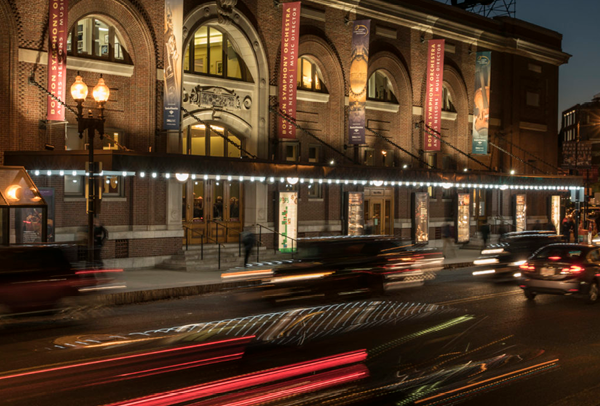
Symphony Hall
$25 – $87
Listen
Handel:
Hallelujah chorus from Messiah
Program Book
Plan Your Visit
Get directions to the concert hall
Order a three-course prix-fixe dinner from Lucca Back Bay for H&H patrons
Consult our Frequently Asked Questions