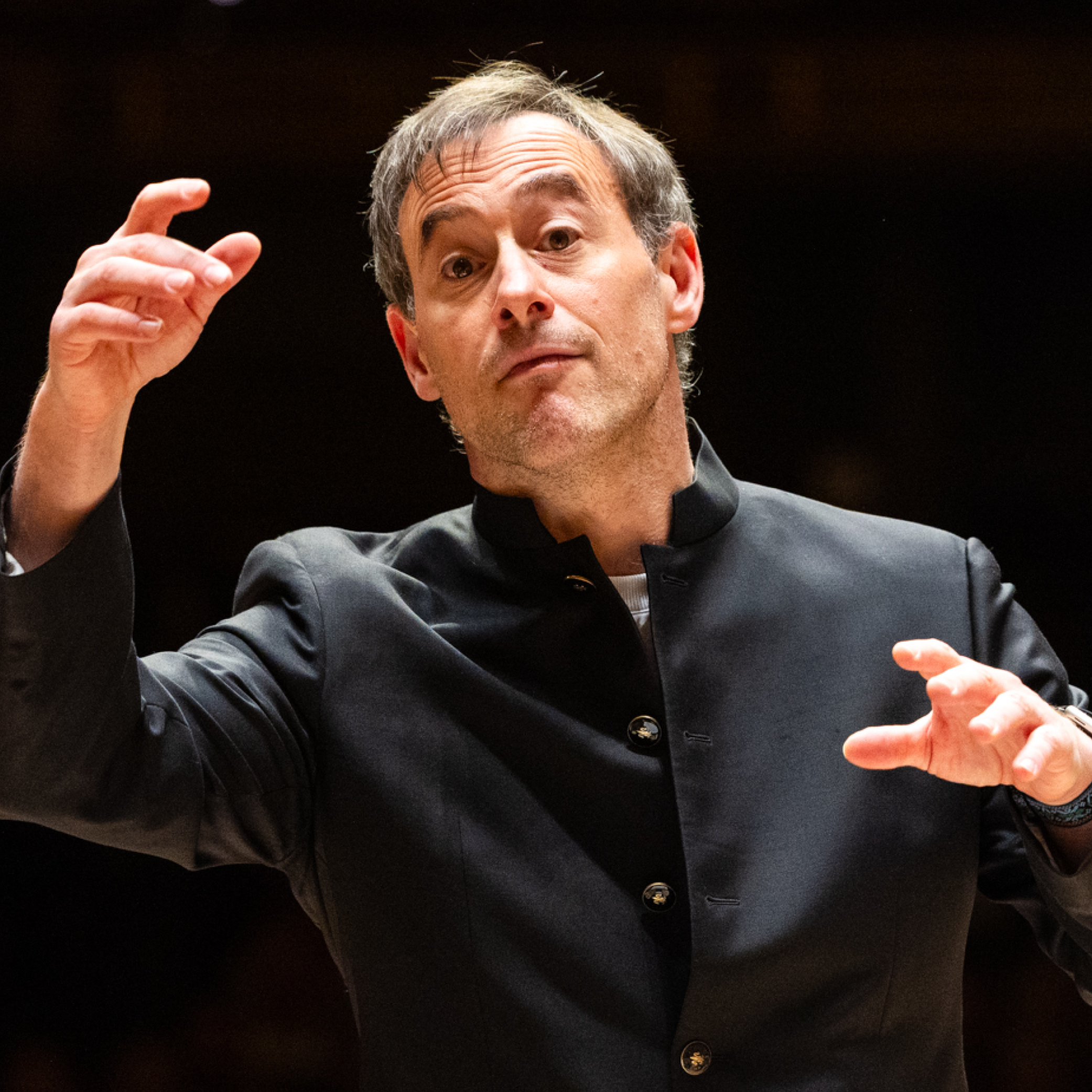
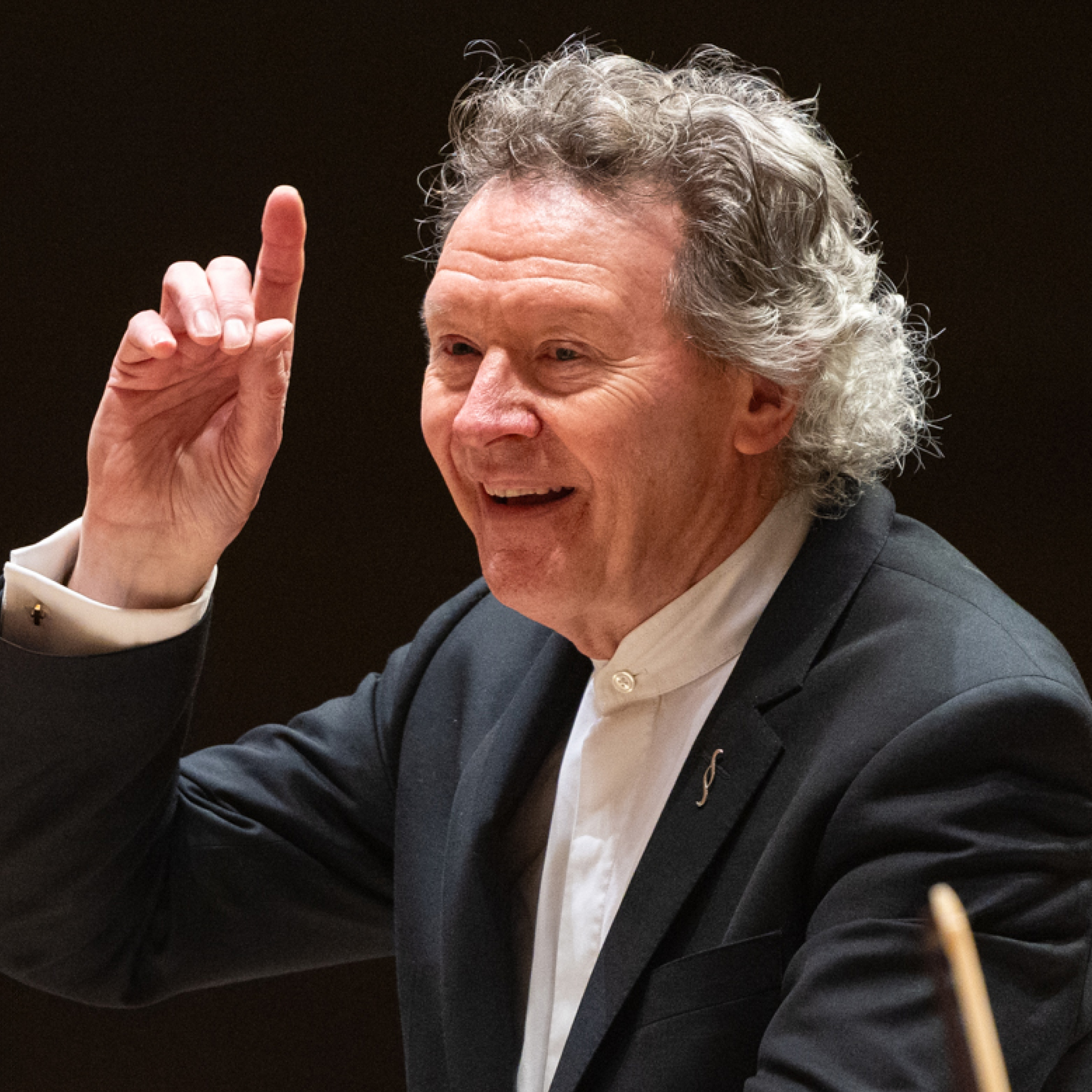
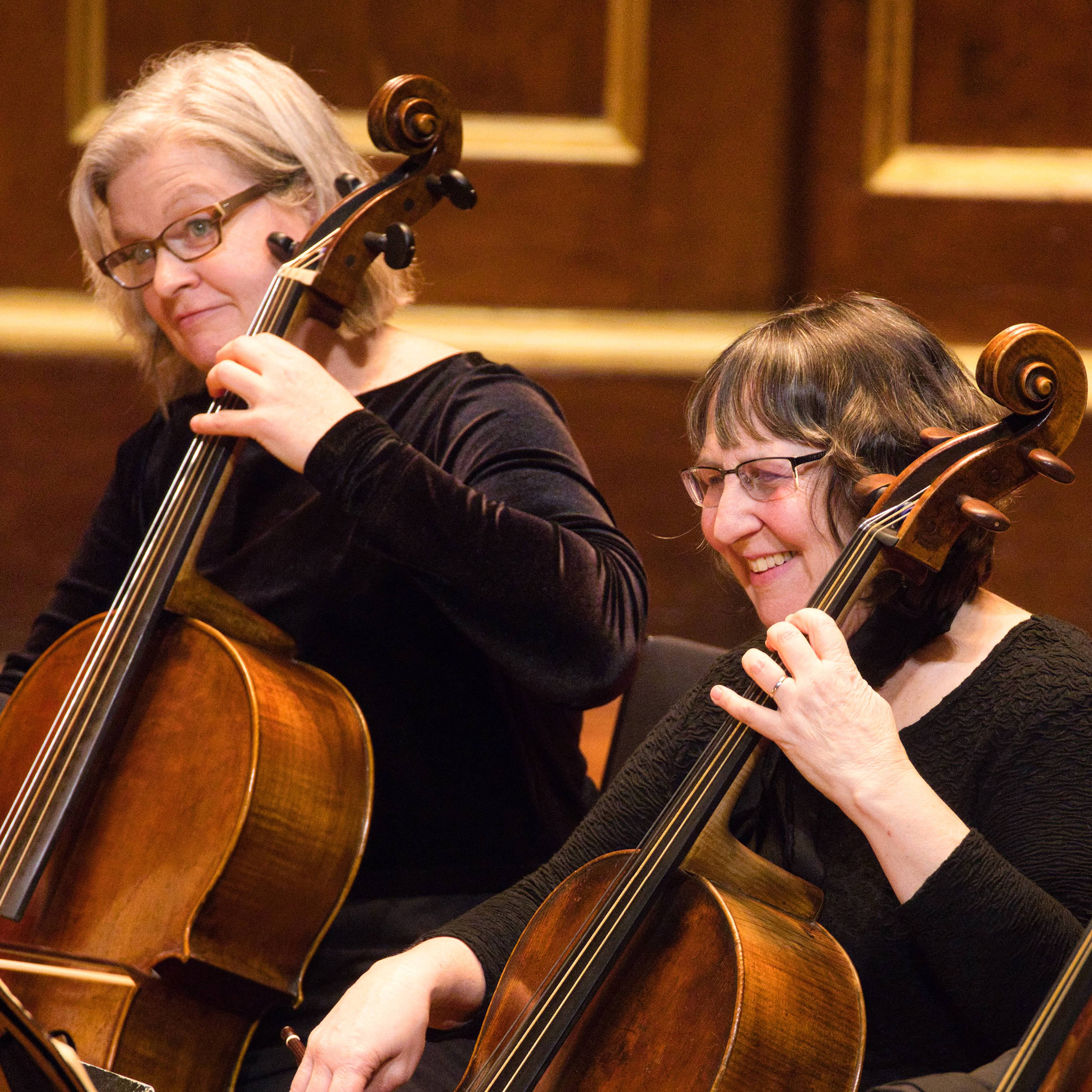
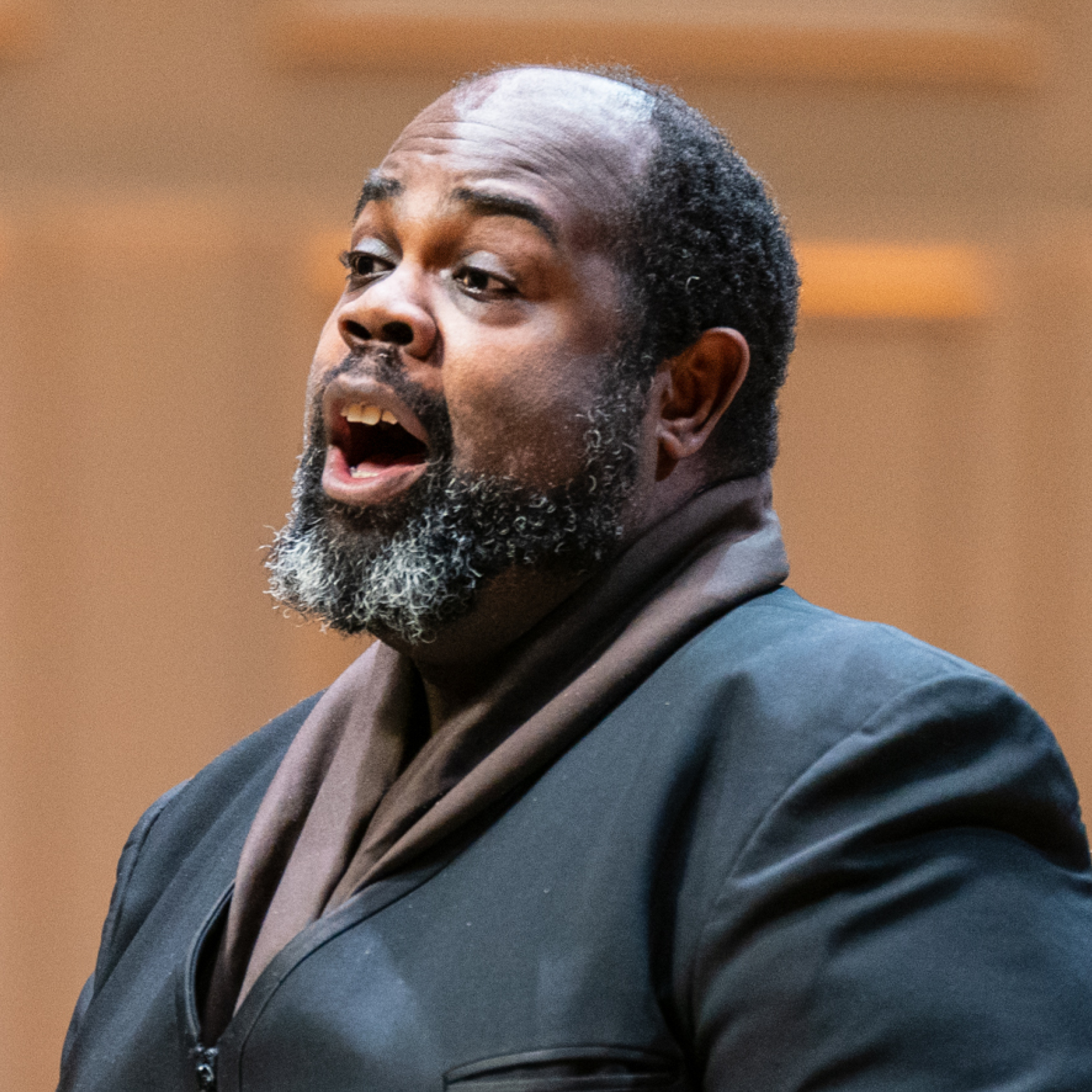
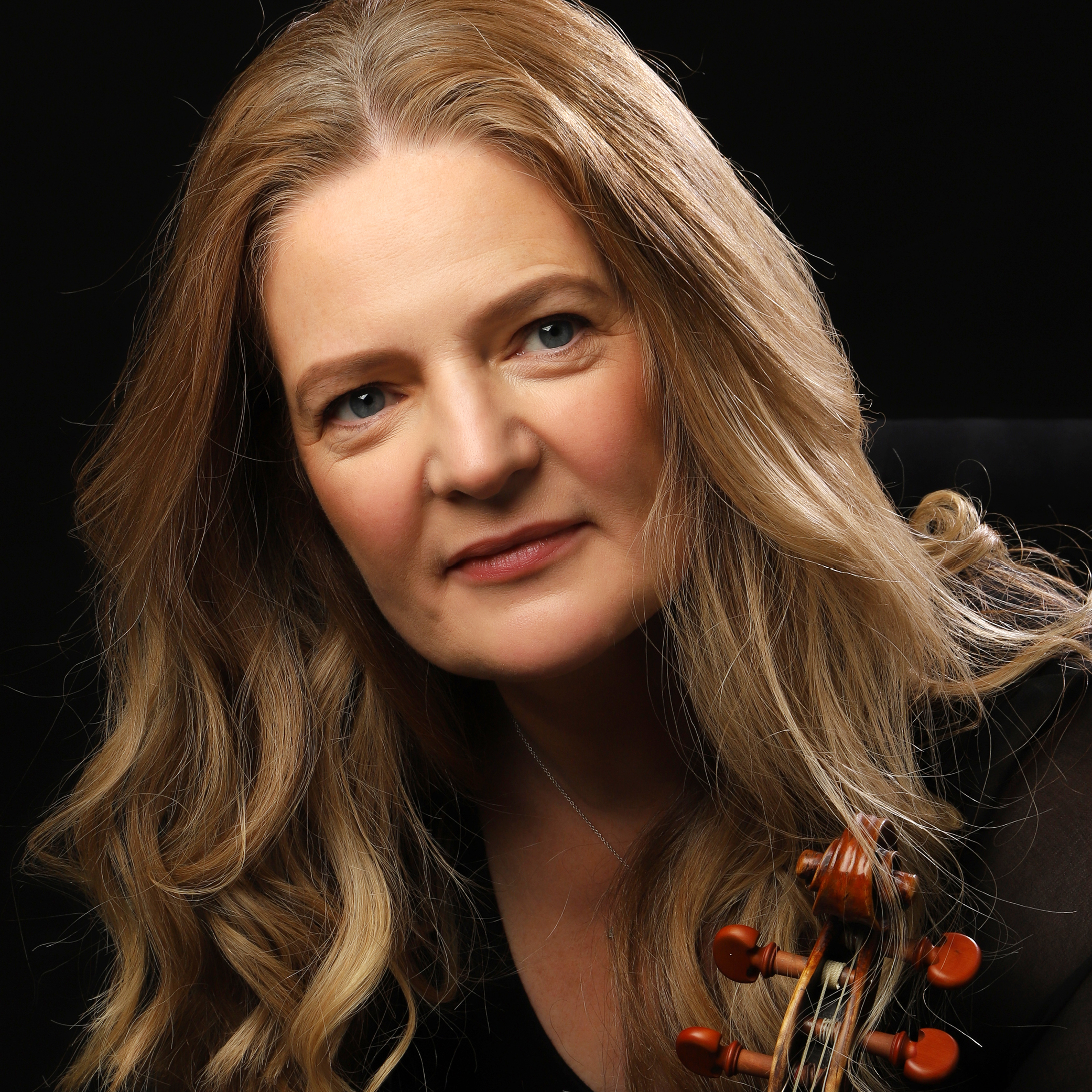
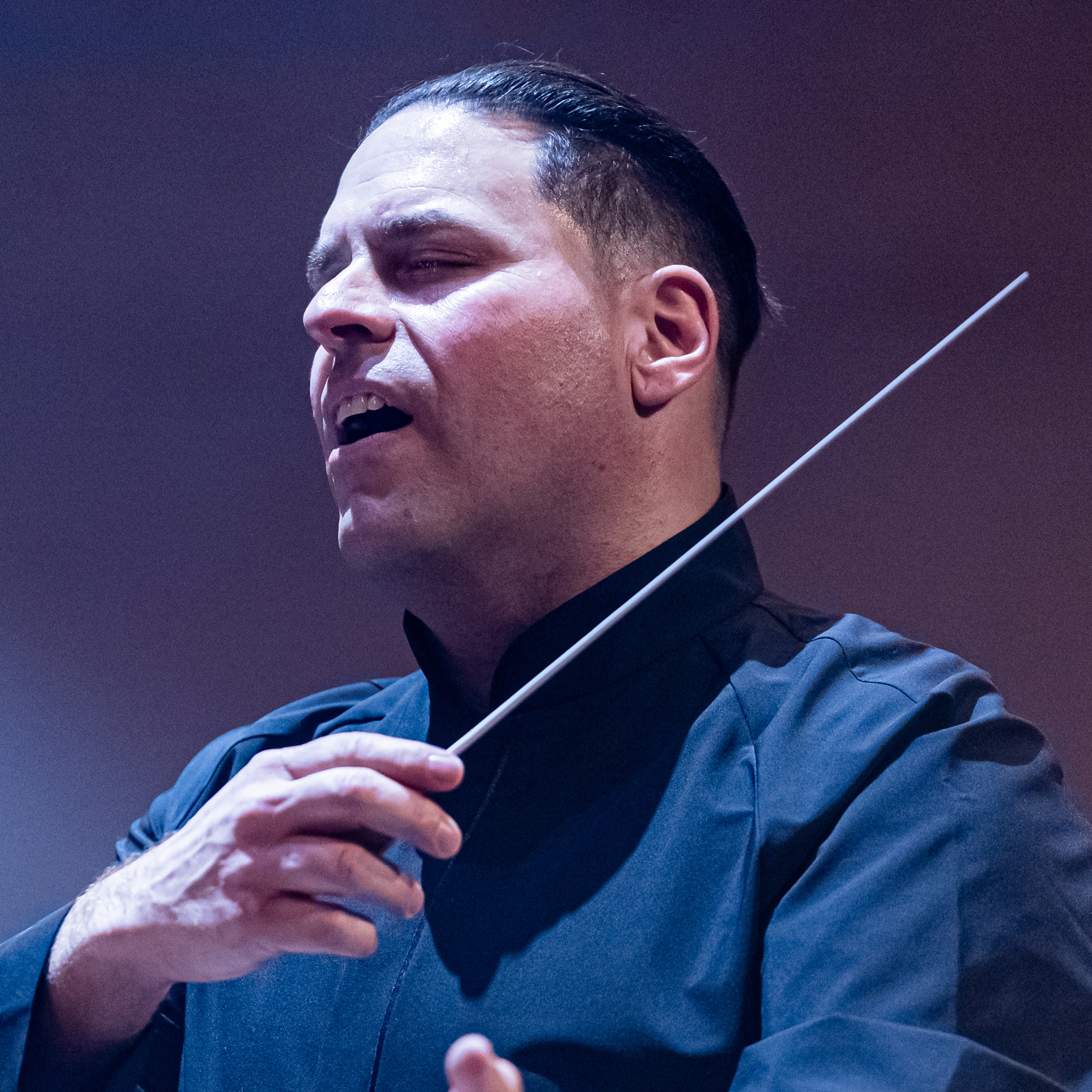
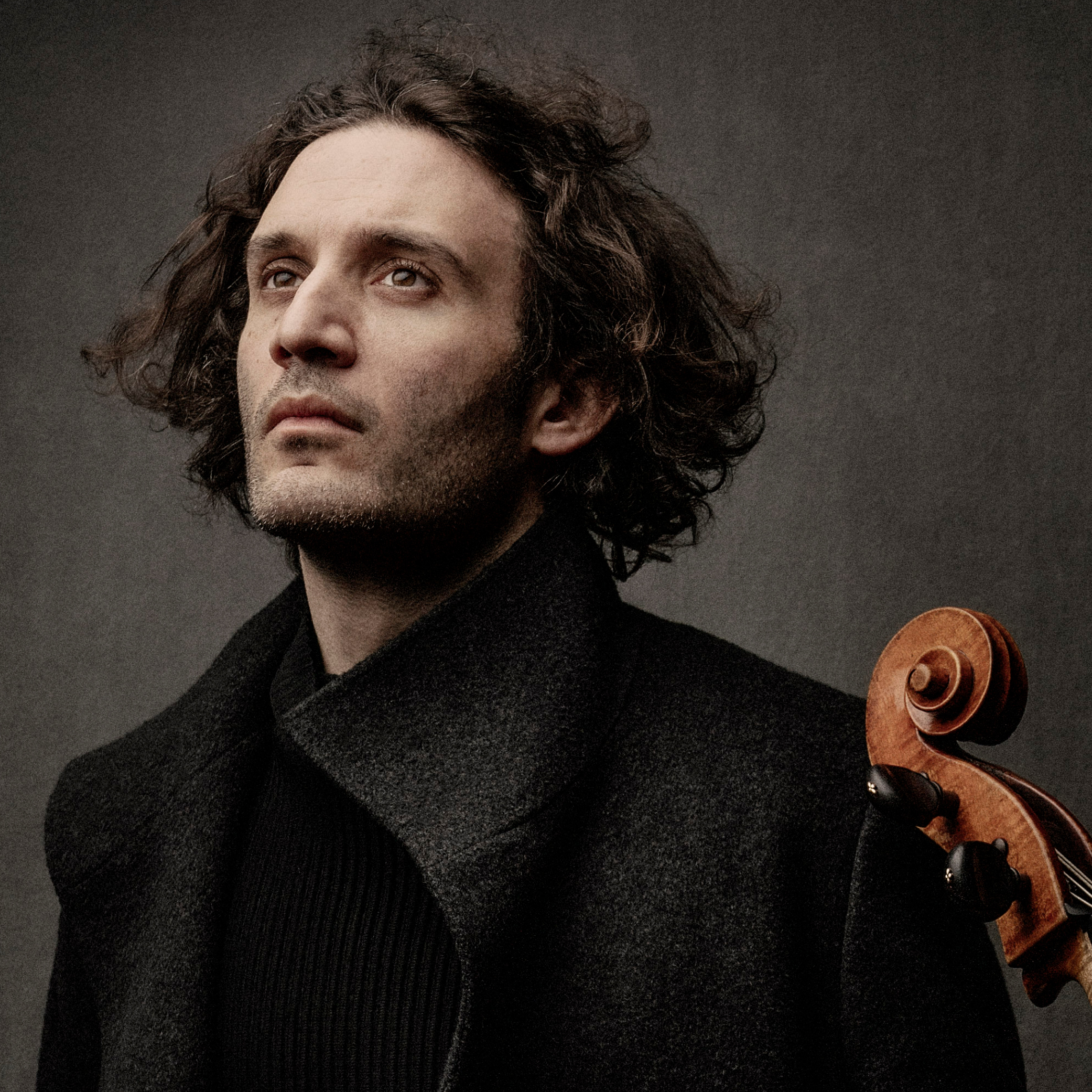
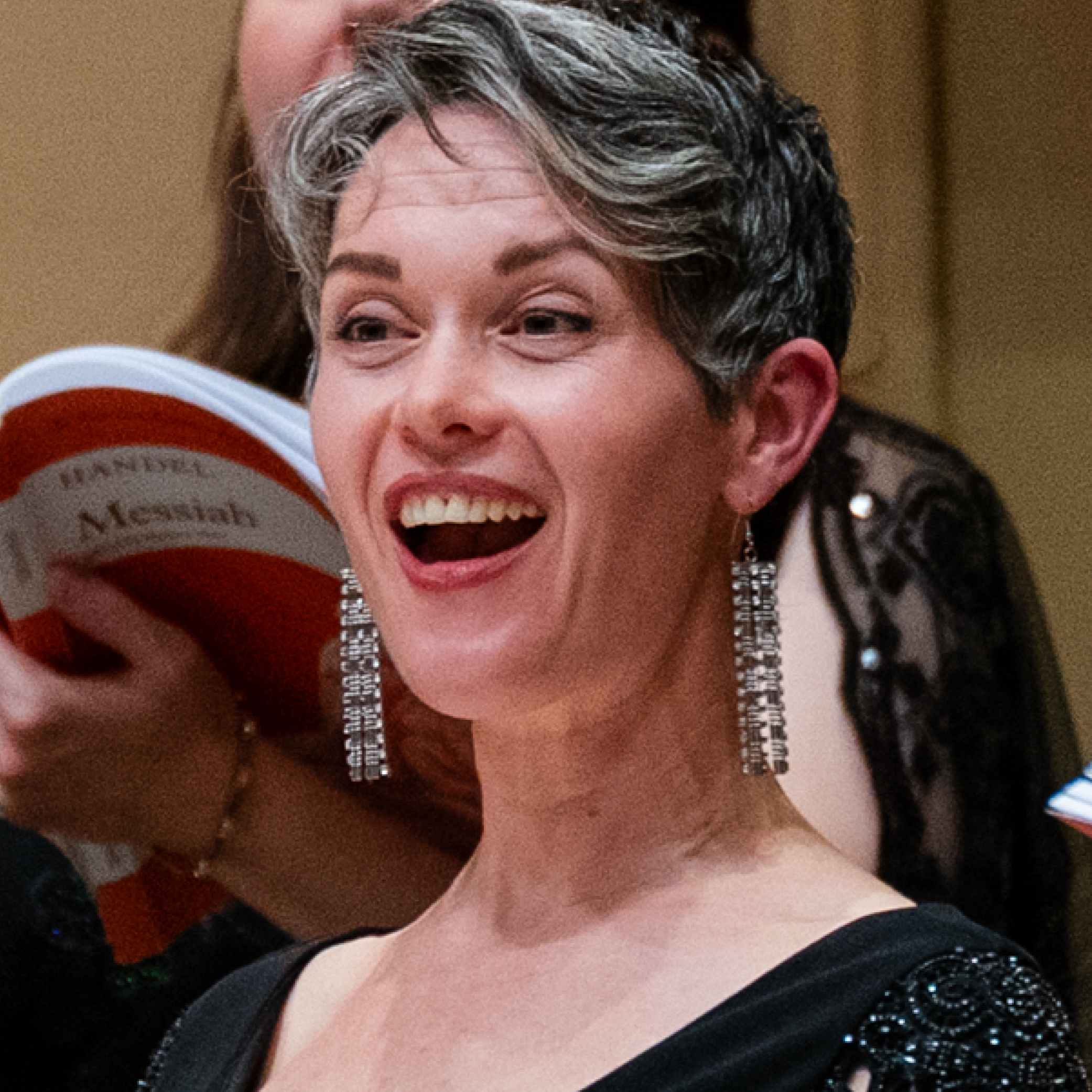
A tradition for 159 years—make it yours! Harry Christophers conducts the Period Instrument Orchestra, Chorus, and internationally acclaimed soloists in Handel’s dramatic masterwork. Don’t miss Canadian superstars soprano Karina Gauvin and countertenor Daniel Taylor, British tenor extraordinaire James Gilchrist, and Boston's own premier baritone Sumner Thompson in this season’s unique rendition of this Boston tradition. No holiday season is complete without Handel’s stunning oratorio.
Program
Harry Christophers,
conductor
Karina Gauvin, soprano
Daniel Taylor, countertenor
James Gilchrist, tenor
Sumner Thompson, bass
- Handel: Messiah
Related Events
Pre-concert Caroling
Listen to choruses from our Vocal Apprenticeship Program caroling throughout Symphony Hall before each concert.
News and Reviews
“Energetic and stylish.”
Handel and Haydn Society’s ‘Messiah’ worthy of heavenly chorus
The Boston Globe, December 1, 2012
“The period-instrument orchestra and 30-member chorus responded well to Christophers’ animated conducting and performed with clarity and finesse.”
Christophers, H&H deliver a fiery and dramatic “Messiah”
Boston Classical Review, December 1, 2012
“This is the Rolls Royce of Boston chorales.”
Messiah Rises at Handel and Haydn Society
The Hub Review, December 11, 2012
Program Notes
An Enduring Legacy
Messiah achieved the status of cultural icon during Handel’s lifetime and its impact has not diminished since the composer’s death. With a history so rich and far-reaching, it is hard to imagine that the oratorio caused a scandal in London. Even in Dublin there were obstacles to the first performance.
In a letter to a friend dated July 10, 1741, Charles Jennens, who had supplied Handel with texts for other oratorios, explains that he sent this collection of scriptural passages to Handel in the hope that the composer would set it. Jennens’ assembled text, from the Old and New Testaments, does not tell a continuous story; rather, the text refers to the prophecy and birth of Christ (part 1), his death and resurrection (part 2), and the redemption and response of the believer (part 3).
Although Italy was the birthplace of the oratorio, Messiah and other Handel oratorios ensured the genre’s place in the history of music. The term oratorio originally referred to the building in Rome in which the faithful observed spiritual devotions, and then was used to describe the music performed as part of these services. Handel composed his first oratorio, La Resurrezione, while in Rome in 1708. In England, Handel returned to oratorio composition in the 1730s and 1740s. This time, however, he did not write in the Italian style, but fused the dramatic writing he had perfected in his operas with the English tradition of choral anthems.
In London in the early 1740s, Handel’s popularity as an opera composer was waning. It was during this time that two fortuitous events occurred: Jennens sent Handel the word book for Messiah and William Cavendish, the Duke of Devonshire and Lord Lieutenant of Ireland, invited Handel to Dublin to participate in a season of oratorio concerts to benefit local charities. Handel seized the opportunity to present his works and set Jennens’ text in just 24 days. Dublin was a major cultural center at this time and received Handel with open arms. Anticipation for Handel’s new oratorio ran so high that an announcement in the Dublin Journal requested that ladies “would be pleased to come without hoops [in their skirts] … making room for more company.”
In January 1742, the deans of St. Patrick’s Church and Christ Church, Dublin, were asked to allow their choir members to participate in what would be the premiere performance of Messiah. Christ Church agreed and at first it seemed that St. Patrick’s Church concurred. However, the dean of St. Patrick’s, Jonathan Swift, then revoked permission, claiming never to have granted it in the first place. This turn of events was potentially disastrous because both churches had to agree in order for the performance to proceed. Eventually, Swift did agree and the work was premiered in Dublin at the Music Hall on Fishamble Street on April 13, 1742.
Handel returned to London and, in 1743, gave that city’s premiere of A Sacred Oratorio; he refrained from titling the work Messiah because of objections to the use of Biblical texts in a concert setting. Some of these complaints were voiced in the press on the same day the work was advertised. An anonymous letter to the Universal Spectator raised concerns about the use of Biblical texts and the propriety of theater performers, whose morals were assumed to be questionable, singing these sacred texts: “I ask if the Playhouse is a fit Temple to perform it [A Sacred Oratorio] in, or a Company of Players fit Ministers of God’s Word.”
These first London performances were not as successful as those in Ireland; however, beginning with a 1750 concert to benefit the Foundling Hospital, Messiah performances became annual events in London. Objections to Handel’s sacred oratorio had subsided and were replaced with descriptions similar to that written by Miss Catherine Talbot in 1756: “The only public place I have been to this winter was to hear the Messiah, nor can there be a nobler entertainment.” Soon, performances of the oratorio were mounted in the Old and New Worlds.
For the 1742 premiere of Messiah in Dublin, it is estimated that Handel had a combined ensemble of about 50 performers, with almost the same number of vocalists as instrumentalists. Experienced singers from the better church choirs made up the chorus, and two different soloists shared the roles for each voice part. While the chorus had no female singers, the soprano and alto solo parts were sung by women. For this performance, Handel may have reworked several soprano solos for Mrs. Susanna Cibber, a well-known actress and alto. One story relates that Mrs. Cibber’s performance of “He was despised” was so moving that one person in the audience shouted, “For this thy sins be forgiven!”
For the London performances, Handel had more singers available to him. He continued to divide the solo numbers between two soloists who would have sung the choruses. After Handel’s death, Messiah performances generally followed a similar pattern. In 1771, at one of the regular performances to benefit the Foundling Hospital, the professional chorus of 30 was augmented by 26 volunteer singers. This is the first known performance of Messiah with a volunteer chorus and the first time the chorus was significantly larger than the orchestra.
The trend of larger choruses, and eventually a larger orchestra to match it, reached new heights with a Westminster Abbey performance of Messiah in 1784. The organizers of this Handel tribute, a five-day festival, wanted to mount performances “on such a scale of magnificence, as could not be equaled in any part of the world.” They achieved this goal by assembling over 250 singers and a matching number of instrumentalists. The accuracy of playing impressed music chronicler Charles Burney, who wrote, “When all the wheels of that huge machine, the Orchestra, were in motion, the effect resembled a clock-work in everything, but want of feeling and expression.”
The excitement generated by Messiah at the 1784 Handel Commemoration inspired other responses as well. Reverend John Newton, Rector of St. Mary, Woolnorth in London, based a series of 50 sermons on the texts of the oratorio, collectively titled Expository Discourses on the Series of Scriptural Passages which form the subject of the Celebrated Oratorio of Handel. Newton, who was no lover of Handel’s music and who felt that the oratorio trivialized scripture to a certain extent, concluded his sermons by suggesting “that the next time you hear the Messiah, God may bring something that you have heard in the course of these sermons … to your remembrance.” Still others held a different view, such as Abigail Adams, in reaction to a performance of Messiah in 1785 (see “Lasting Impressions of Messiah”).
The enduring appeal of Messiah lies in the sum of its parts; each solo or chorus is beautiful on its own, but together the numbers create a whole that speaks to each individual in a unique way. Although Jennens, too, expressed disappointment with Handel’s setting of his Scripture collection, posterity has determined that Handel did indeed fulfill Jennens’ wish that the composer “lay his whole Genius and Skill upon it, … as the Subject excels every other Subject. The Subject is Messiah.”
© Teresa M. Neff, PhD, 2012
2012–2013 Historically Informed Performance Fellow
Related Multimedia
Media Partner: 
Artists, dates, and programming are subject to change.
At-A-Glance
Nov 30, 2012 at 7.30pm
Dec 1, 2012 at 3pm
Dec 2, 2012 at 3pm
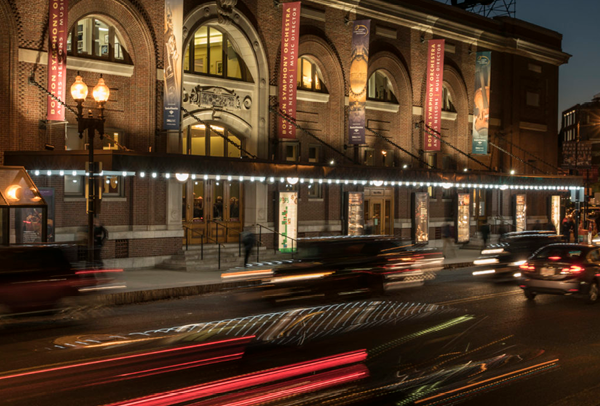
Symphony Hall
Listen
Handel: Messiah
(Handel and Haydn Society; Harry Christophers, conductor)
Plan Your Visit
Get directions to the concert hall
Order a three-course prix-fixe dinner from Lucca Back Bay for H&H patrons
Consult our Frequently Asked Questions